Eye Bag Removal in Korea – Cost, Types & What to Expect

Eye bag removal in Korea is one of the most popular cosmetic procedures among medical tourists. Seoul is home to hundreds of skilled plastic surgeons who specialize in eyelid and under-eye treatments. Whether your eye bags are caused by aging, genetics, or lifestyle, Korean clinics offer safe and effective solutions.

What is Eye Bag Removal?

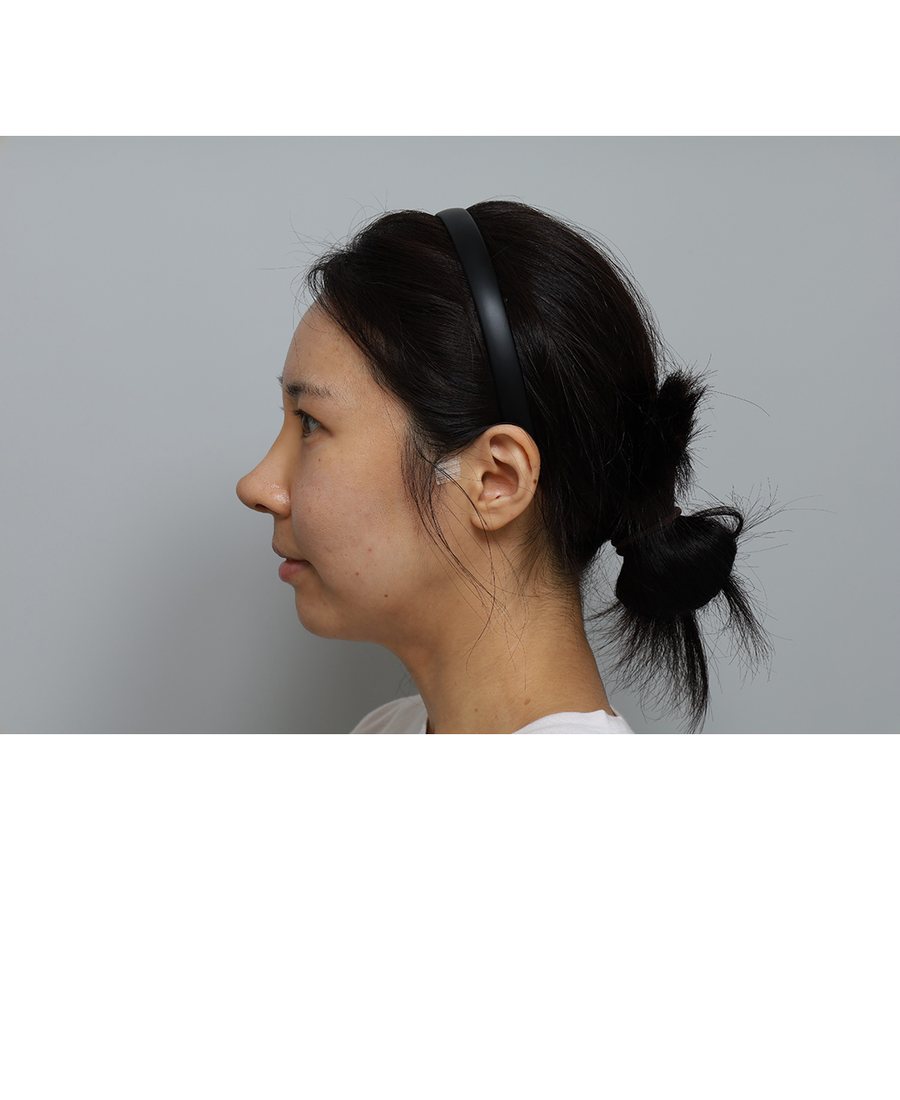
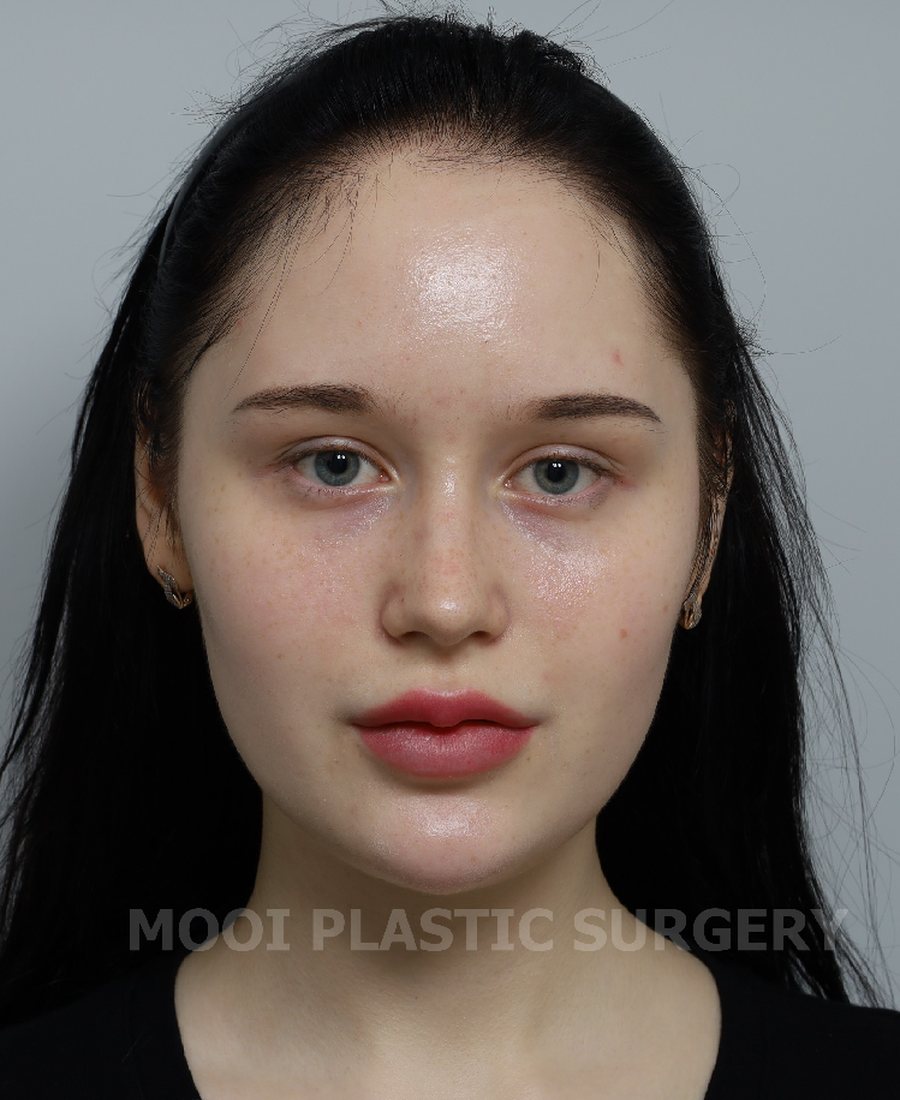
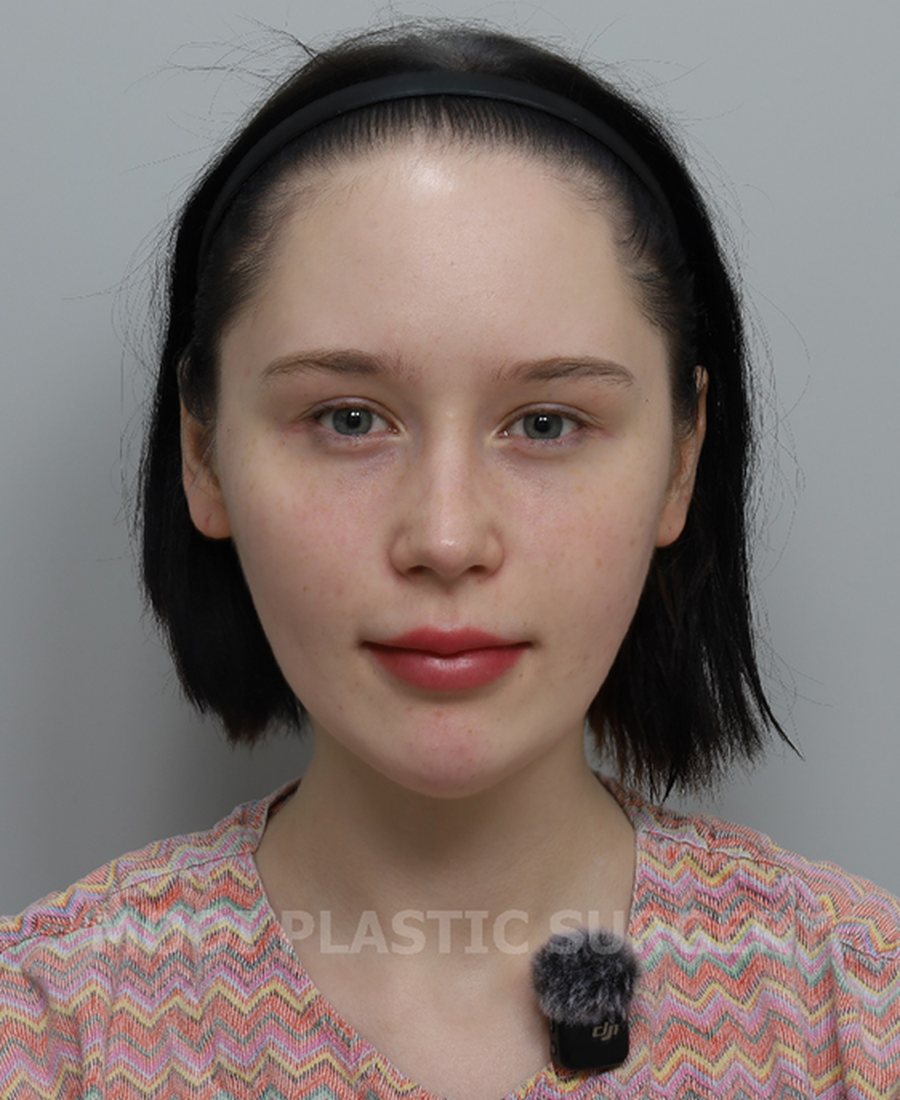
Eye bag removal, also called lower blepharoplasty, is a surgical or non-surgical procedure that reduces puffiness and sagging under the eyes. The surgeon removes or repositions fat deposits and tightens loose skin to create a smoother, more youthful appearance. For those interested in other eyelid korea procedures, many clinics offer comprehensive eyelid reshaping services.

  • Younger-looking eyes: Reduces puffiness and dark shadows under the eyes
  • Long-lasting results: Surgical options can last many years with proper care
  • Quick recovery: Most patients return to daily activities within one to two weeks

Types of Eye Bag Removal Offered in Korea

Korean clinics offer several approaches depending on your skin type, age, and the severity of your eye bags.

  • Transconjunctival Blepharoplasty: The incision is made inside the lower eyelid, leaving no visible scar. This is ideal for younger patients with good skin elasticity and mainly fat-related puffiness.
  • Transcutaneous Blepharoplasty: A small incision is made just below the lash line. This method allows the surgeon to remove both excess fat and loose skin. It is better suited for patients with significant skin laxity.
  • Non-surgical Fat Dissolving Injections: Deoxycholic acid or similar solutions are injected under the eye to break down small fat pockets. This option requires no downtime but may need multiple sessions.
  • Laser Resurfacing and Radiofrequency: These non-invasive treatments tighten the skin under the eye and stimulate collagen. They work best for mild puffiness and early signs of aging.

Why Choose Korea for Eye Bag Removal?

  • Highly trained surgeons: Korean plastic surgeons complete rigorous training and often have extensive experience with Asian eyelid anatomy
  • Advanced technology: Clinics use the latest surgical tools, lasers, and imaging equipment
  • Affordable pricing: Costs are significantly lower than in the US, UK, or Australia without sacrificing quality
  • Medical tourism infrastructure: Many clinics offer translation services, airport pickup, and aftercare support for international patients
  • Strong safety record: Korea has strict medical regulations and accreditation standards for cosmetic clinics

Cost of Eye Bag Removal in Korea

Prices vary depending on the type of procedure, the clinic’s location, and the surgeon’s experience. Below are general price ranges to help you plan your budget. If you want to compare costs across different cosmetic procedures, you can learn more about pricing for various treatments offered in Korean clinics.

  • Non-surgical injections (per session): ₩300,000 – ₩600,000 (approximately $220 – $450 USD)
  • Laser or radiofrequency treatment: ₩500,000 – ₩1,200,000 (approximately $370 – $900 USD)
  • Transconjunctival blepharoplasty: ₩1,500,000 – ₩3,000,000 (approximately $1,100 – $2,200 USD)
  • Transcutaneous blepharoplasty (full lower eyelid surgery): ₩2,500,000 – ₩5,000,000 (approximately $1,850 – $3,700 USD)

These prices often include a consultation, anesthesia, and basic aftercare. Always confirm exactly what is included before booking.

What to Expect During and After

Surgical eye bag removal is usually performed under local anesthesia with sedation and takes about one to two hours. You will be able to go home the same day. Non-surgical treatments take 30 to 60 minutes and require no recovery time.

After surgery, you can expect mild swelling, bruising, and some tightness around the eyes for seven to fourteen days. Cold compresses and keeping your head elevated will help reduce swelling. Most patients can return to light work within one week, but strenuous activity should be avoided for three to four weeks. For detailed information about recovery timelines and post-operative care across different facial procedures, check this guide on what to expect after cosmetic surgery in Korea.

Follow-up and Results

Your clinic will schedule a follow-up appointment about one week after surgery to check your healing and remove any stitches. Swelling continues to reduce over the following weeks, and final results are usually visible within four to six weeks. Surgical results can last ten years or more. Non-surgical treatments may need to be repeated every six to twelve months to maintain results.

Conclusion

Eye bag removal in Korea offers excellent results at competitive prices. With a wide range of surgical and non-surgical options, Korean clinics can create a personalized plan that fits your needs and budget. The combination of skilled surgeons, modern technology, and strong patient support makes Seoul one of the top destinations in the world for this treatment.

Ready to learn more about eye bag removal in Korea? Contact us today on WhatsApp for a free consultation. Our team will help you compare clinics, understand your options, and plan your trip to Seoul with confidence.